Aloe Vera Benefits for Healthy Skin

Aloe Vera

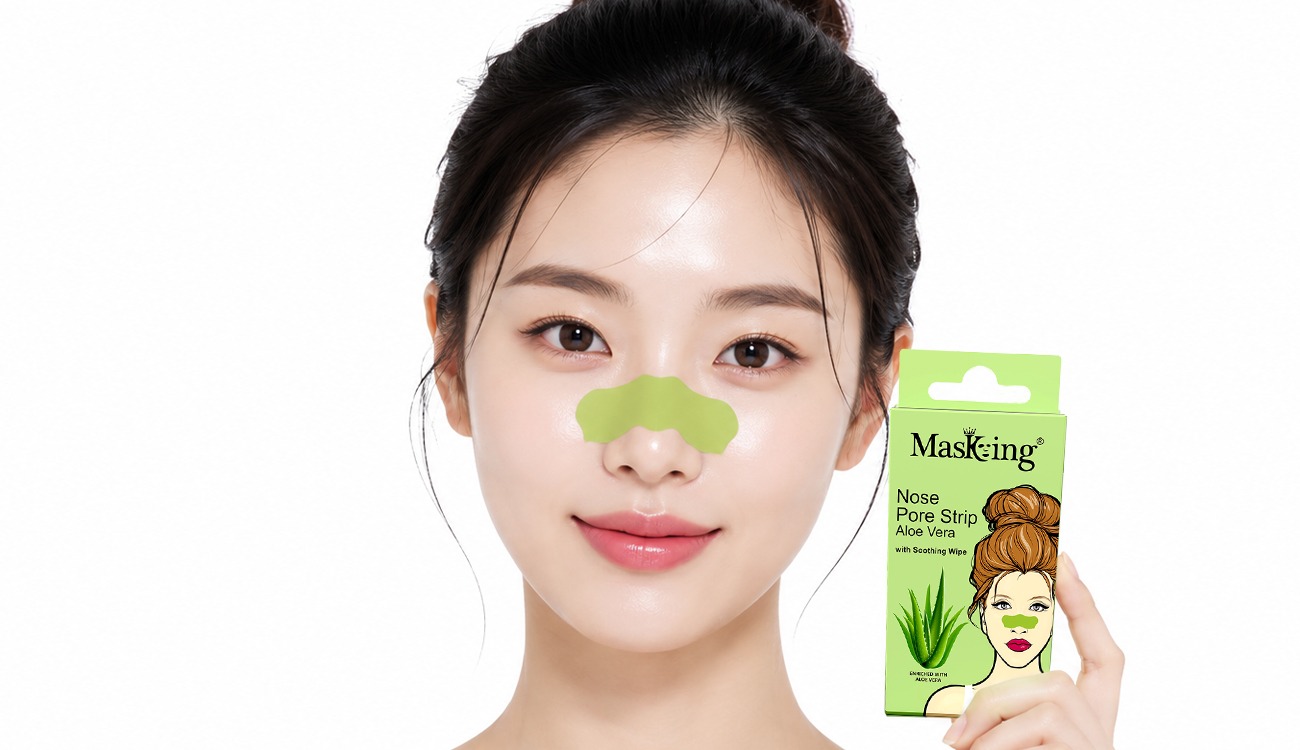
Few skincare ingredients have remained as universally loved as aloe vera. Known for its soothing and refreshing feel, aloe vera has become a staple in skincare products designed for hydration and comfort. MasKing Aloe Vera Nose Strips combine pore cleansing with calming skincare support, helping remove blackheads while maintaining skin comfort.

The Soothing Power of Aloe Vera

Aloe vera is often associated with calming care because of its lightweight and refreshing properties. It is
commonly used in products designed for:

Because of this, aloe vera-based skincare is especially popular during warmer seasons.

Why Gentle Pore Cleansing Matters

Many people avoid pore strips because they worry about dryness or irritation. However, skincare
routines work best when cleansing and hydration are balanced together.
MasKing Aloe Vera Nose Strips help remove impurities while ingredients like glycerine and witch hazel
support smoother and fresher-looking skin.

Building a Simple Weekly Routine

Adding a nose strip treatment once or twice weekly can help refresh the skin after:

Additionally, following up with hydration-focused skincare can help maintain skin balance.

1

Final Thoughts

Healthy-looking skin starts with consistent care, not harsh treatments. A balanced pore-cleansing
routine that cleanses, extracts, and soothes can help maintain fresher-looking skin over time.
MasKing 3-Step Nose Pore Strips make this process simple, convenient, and beginner-friendly for
everyday skincare users.

2

Conceptualization

Once inspired, designers start translating their ideas into tangible concepts. They sketch rough outlines, experiment with different silhouettes, and envision the overall aesthetic of the collection. They consider factors such as target audience, occasion, and seasonality while conceptualizing their designs.
3

Development

The development stage involves transforming initial sketches into more refined designs. Designers work on pattern-making, fabric selection, and garment construction techniques. They create prototypes or sample pieces to assess the fit, functionality, and overall appearance of their creations. Iterations and adjustments are made to ensure the final product meets the desired standards.
4

Production

The final step in the design process is production, where designers oversee the manufacturing of their designs. This involves sourcing materials, collaborating with manufacturers, and ensuring quality control. Attention to detail is crucial to guarantee that the end product matches the designer’s vision.

Pay Attention to Proportions

Understanding proportion is key to creating well-balanced outfits. Consider the lengths, volumes, and sizes of different clothing pieces when putting together an ensemble. Pair loose-fitting tops with fitted bottoms or vice versa to create a visually appealing and flattering look.

Fashion Tips: Unlocking Your Style Potential

Understanding your body shape and dressing accordingly can do wonders for your style. Whether you have an hourglass figure, a pear shape, or an athletic build, identify clothing silhouettes that accentuate your best features and create a balanced look.

Experiment with Colors and Patterns

Colors and patterns can add depth and personality to your outfits. Don’t be afraid to mix and match different hues and experiment with patterns to create visually appealing ensembles.

However, be mindful of balancing bold patterns with solid colors to avoid overwhelming your overall look.

Accessorize
Thoughtfully

Accessories are the cherry on top of any outfit. They have the power to elevate a simple ensemble or transform an ordinary look into something extraordinary.

Experiment with statement necklaces, scarves, hats, belts, and bags to add flair and express your personal style.

“We make sure that our clothes are ecological. We design clothes that mark the market. We make clothes for the market.“

Marc Cuban
CEO of Loobek

Discovering your personal style requires self-reflection. Take note of the colors, silhouettes, and fabrics you're naturally drawn to.

Consider your lifestyle, preferences, and the image you want to project through your clothing choices. Experiment with different styles to find what resonates with you.
1

Invest in Versatile Pieces

Building a wardrobe filled with versatile pieces allows for effortless styling and maximizes the potential of your clothing.
2

Stay Updated:

Fashion trends come and go, but staying updated with the latest fashion news and trends can inspire your personal style.
3

Confidence is Key

The most crucial element of personal style is confidence. Wear what makes you feel comfortable, beautiful, and authentic.

Conclusion

Fashion is an ever-evolving art form that allows us to express our uniqueness and creativity. By understanding the design process, incorporating fashion tips, and embracing our personal style, we can unleash our fashion potential and embark on a journey of self-expression.
Remember, fashion is not about conforming to trends but about embracing your individuality and feeling empowered through what you wear. So go ahead, experiment, and create your own fashion story. Let your style be a reflection of your beautiful, one-of-a-kind self!